While a plastic channel has historically attracted budget-conscious buyers, aluminium extrusion has emerged as the unequivocal standard for professional-grade LED installations. This comprehensive analysis examines every dimension of the plastic channel versus aluminium extrusion debate, providing engineers, architects, contractors, and lighting designers with the evidence-based insights needed to make informed decisions that protect both investment and reputation.
In this guide, we will explore the fundamental material properties that distinguish a plastic channel from an aluminium profile, analyse the thermal dynamics that directly impact LED lifespan and luminous efficacy, evaluate installation methodologies, review regulatory compliance across European markets, and present detailed cost-benefit analyses spanning the entire lifecycle of LED installations. Whether you are specifying lighting for a luxury retail environment, an industrial facility, a residential development, or a commercial office complex, understanding why aluminium extrusion consistently outperforms a plastic channel is essential to delivering professional results that stand the test of time.
Throughout this article, we will reference specific products from the LightingLine catalogue, providing direct links to the professional-grade aluminium profiles that represent the current state of the art in LED channel engineering. Every claim made in this article is supported by material science data, thermal engineering principles, and real-world performance metrics from the European LED lighting industry. By the conclusion, you will possess a thorough understanding of why specifying aluminium over a plastic channel is not merely a preference but a professional imperative.
Plastic channel vs aluminium extrusion: understanding the fundamental material differencesu
Before we can fully appreciate why aluminium extrusion dominates professional LED installations, we must first understand the fundamental material characteristics that define both plastic channel and aluminium profile options. The material composition of any channel profile directly determines its thermal conductivity, structural strength, UV resistance, chemical compatibility, fire rating, aesthetic longevity, and environmental impact. These properties are not marginal considerations; they are the foundational parameters that dictate whether an LED installation will deliver consistent, high-quality illumination for its intended lifespan or succumb to premature failure, discolouration, and structural degradation.
What is a plastic channel? Composition, manufacturing, and material classification
A plastic channel is an extruded or injection-moulded profile manufactured from thermoplastic or thermoset polymers, designed to house and protect LED strip lighting. The most common materials used in plastic channel production include polyvinyl chloride (PVC), polycarbonate (PC), acrylic (PMMA), and acrylonitrile butadiene styrene (ABS), each offering distinct properties that influence performance in LED applications. Understanding these material differences is crucial for professionals who must specify appropriate channel profiles for specific environmental conditions, performance requirements, and regulatory standards.
PVC channels represent the most widely used plastic channel variant in the European market, accounting for approximately 42% of all plastic profile sales in the lighting sector according to 2025 industry data. PVC, or polyvinyl chloride, is a synthetic thermoplastic polymer produced through the polymerisation of vinyl chloride monomers. The material can be formulated in rigid (uPVC) or flexible forms, depending on the addition of plasticisers. Rigid PVC channels offer moderate structural rigidity and moisture resistance but suffer from poor thermal conductivity, UV degradation, and limited temperature tolerance ranging from -15°C to +60°C. These limitations make PVC plastic channel unsuitable for high-power LED applications where heat dissipation is critical.
Polycarbonate channels represent a step up in terms of impact resistance and optical clarity. Polycarbonate is an engineering thermoplastic known for its exceptional toughness, with impact strength approximately 250 times that of glass. Polycarbonate plastic channel profiles offer excellent light transmission (up to 90%) and can withstand higher temperatures than PVC, typically operating between -40°C and +120°C. However, polycarbonate remains a poor thermal conductor, with thermal conductivity of approximately 0.19-0.22 W/m·K, which is roughly 1,000 times lower than aluminium. This fundamental limitation means that while polycarbonate plastic channel can protect LED strips from physical damage, it does nothing to manage the heat that is the primary cause of LED degradation.
Acrylic (PMMA) channels are valued primarily for their optical properties. Acrylic offers superior light transmission (up to 92%), excellent UV stability, and good weather resistance compared to PVC. Acrylic plastic channel profiles are often used as diffuser covers rather than structural housing, as the material’s thermal conductivity of 0.19 W/m·K is equally inadequate for heat dissipation. Acrylic is also more brittle than polycarbonate and can crack under mechanical stress, limiting its suitability for high-traffic or industrial applications.
ABS channels provide a balance of impact resistance, dimensional stability, and ease of processing. ABS is a terpolymer of acrylonitrile, butadiene, and styrene, offering better mechanical properties than PVC but still falling far short of aluminium in every performance category relevant to LED lighting. ABS plastic channel profiles have thermal conductivity of approximately 0.17 W/m·K and maximum continuous service temperatures of around 80°C, making them unsuitable for high-power LED installations that generate significant heat loads.
What is an aluminium extrusion? Manufacturing process and alloy specifications
Aluminium extrusion is a manufacturing process in which aluminium alloy billets are heated to approximately 400-500°C and forced through a precision-engineered die to create profiles with specific cross-sectional geometries. The extrusion process allows for virtually unlimited profile shapes and sizes, enabling lighting manufacturers to engineer channels with optimised heat dissipation geometries, integrated mounting systems, and aesthetic finishes that are impossible to achieve with plastic channel alternatives.
The most commonly used aluminium alloys for LED channel extrusion are 6063-T5 and 6060-T5, both belonging to the 6000 series of aluminium-magnesium-silicon alloys. These alloys offer an exceptional combination of extrudability, mechanical strength, corrosion resistance, and surface finish quality, making them the industry standard for professional LED profiles. The T5 temper designation indicates that the alloy has been cooled from an elevated temperature shaping process and then artificially aged, optimising its mechanical properties for structural applications.
The thermal conductivity of 6063-T5 aluminium is approximately 201-218 W/m·K, which is between 800 and 1,300 times greater than that of any thermoplastic material used in plastic channel production. This extraordinary difference in thermal conductivity is the single most important factor distinguishing aluminium extrusion from plastic channel in LED lighting applications. Heat is the primary enemy of LED performance: for every 10°C increase in junction temperature above the optimal operating range, LED lifespan is reduced by approximately 50%, and luminous efficacy decreases by 3-5%. An aluminium extrusion actively draws heat away from the LED strip, through the channel body, and dissipates it into the surrounding environment, while a plastic channel traps heat against the LED strip, accelerating degradation and failure.
The seven main types of plastic channel: relevance to LED channel applications
Understanding the broader landscape of plastic materials provides essential context for evaluating plastic channel options. The seven main types of plastic, classified by their resin identification codes, are:
- PET (Polyethylene Terephthalate): commonly used in beverage bottles and food packaging, PET has moderate strength and good chemical resistance. However, its low glass transition temperature (70-80°C) and thermal conductivity of 0.15-0.24 W/m·K make it unsuitable for LED channel applications. PET is occasionally used in transparent diffuser covers but never as structural channel housing.
- HDPE (High-Density Polyethylene): HDPE offers excellent chemical resistance and low moisture absorption, making it popular in pipe and cable management applications. HDPE plastic channel profiles are sometimes used for cable routing in industrial environments, but the material’s thermal conductivity of 0.42-0.51 W/m·K and maximum service temperature of 80°C remain inadequate for LED heat management.
- PVC (Polyvinyl Chloride): as discussed, PVC is the most common material for plastic channel profiles in the budget lighting segment. Its combination of low cost, ease of extrusion, and moderate mechanical properties has driven widespread adoption, but the thermal limitations are fundamental and cannot be engineered away.
- LDPE (Low-Density Polyethylene): LDPE is highly flexible and used primarily in film applications. Its low rigidity and very low thermal conductivity (0.33 W/m·K) make it irrelevant for LED channel profiles.
- PP (Polypropylene): PP offers good chemical resistance and fatigue resistance, making it suitable for living hinge applications. PP plastic channel profiles are occasionally specified for laboratory and cleanroom environments due to their chemical inertness, but thermal performance remains a critical limitation for LED applications.
- PS (Polystyrene): PS is brittle and has poor impact resistance, limiting its use in channel applications. Its thermal conductivity of 0.13-0.17 W/m·K is among the lowest of all engineering thermoplastics.
- Other (Including Polycarbonate, ABS, PMMA): this category encompasses engineering thermoplastics that offer improved performance over commodity plastics but still cannot match the thermal, mechanical, and durability characteristics of aluminium extrusion.
The fundamental conclusion is inescapable: no thermoplastic material, regardless of formulation or processing method, can achieve the thermal conductivity, structural strength, or long-term durability of aluminium extrusion for LED lighting applications. The laws of physics are not negotiable, and the thermal demands of modern high-power LED strips require a material that can actively manage heat, not merely contain it.
What is the difference between plastic and PVC plastic?
A common source of confusion among buyers is the distinction between plastic as a general category and PVC as a specific polymer type. Plastic is a broad term encompassing all synthetic or semi-synthetic materials that use polymers as their primary ingredient, while PVC (polyvinyl chloride) is one specific type of plastic among hundreds of formulations. When suppliers refer to a plastic channel, they may be describing a profile made from PVC, polycarbonate, acrylic, ABS, or any number of other polymers, each with distinct properties.
The distinction matters because the performance characteristics of different plastic channel materials vary significantly. A polycarbonate plastic channel will outperform a PVC plastic channel in impact resistance and temperature tolerance, but neither will approach the thermal management capabilities of an aluminium extrusion. Similarly, an acrylic plastic channel diffuser cover will provide superior optical clarity compared to a PVC cover, but the underlying structural housing material remains the critical factor in LED performance.
Professionals specifying LED installations should always request the specific polymer type and technical data sheet for any plastic channel product, as generic plastic labels provide no meaningful performance information. LightingLine’s aluminium profiles, by contrast, are manufactured to consistent alloy specifications with published thermal, mechanical, and dimensional data that enables precise engineering calculations.
Thermal performance analysis: the decisive factor in LED longevity
Thermal management is the single most critical engineering consideration in LED lighting design, and the choice of channel profile material is the primary determinant of thermal performance in any LED strip installation. This section provides a detailed technical analysis of how plastic channel and aluminium extrusion profiles manage heat differently, the impact of these differences on LED lifespan and performance, and the economic consequences of thermal mismanagement in professional lighting projects.
The science of LED heat generation and thermal degradation
LEDs (Light Emitting Diodes) are solid-state lighting devices that convert electrical energy into light through electroluminescence. While LEDs are significantly more energy-efficient than incandescent and fluorescent technologies, they still convert approximately 40-60% of input energy into heat rather than light, making thermal management essential for maintaining performance and longevity. This heat is generated at the semiconductor junction, the tiny chip where electrons recombine with electron holes to release photons. The temperature at this junction, known as Tj (junction temperature), directly determines the LED’s operational characteristics.
When junction temperature rises above the manufacturer’s specified maximum (typically 85-105°C for commercial LEDs), a cascade of degradation mechanisms begins: the phosphor coating degrades, causing colour shift and reduced colour rendering index (CRI); the encapsulant material yellows, reducing light output; the solder joints fatigue and crack due to thermal cycling; and the semiconductor chip itself experiences accelerated wear, leading to lumen depreciation and eventual catastrophic failure.
The Arrhenius equation, a fundamental principle of chemical kinetics, quantifies the relationship between temperature and reaction rate: for every 10°C increase in temperature, the rate of chemical degradation reactions approximately doubles. In LED terms, this means that an LED strip operating at a junction temperature 20°C above its optimal range will degrade four times faster than one operating within specifications. A plastic channel, by trapping heat against the LED strip, directly accelerates these degradation processes, while an aluminium extrusion actively prevents them by maintaining optimal operating temperatures.
Comparative thermal conductivity: plastic channel vs aluminium extrusion
Thermal conductivity, measured in watts per meter-kelvin (W/m·K), quantifies a material’s ability to conduct heat. The thermal conductivity values for common channel materials are as follows
| Material | Thermal conductivity (W/m·K) | Relative performance vs aluminium | Suitability for LED heat management |
|---|---|---|---|
| Aluminium 6063-T5 | 201-218 | 100% | Excellent |
| Aluminium 6060-T5 | 190-210 | 94% | Excellent |
| Copper | 385-401 | 180% | Excellent (but cost-prohibitive) |
| Steel (mild) | 43-58 | 25% | Moderate |
| HDPE | 0.42-0.51 | 0.23% | Poor |
| Polycarbonate | 0.19-0.22 | 0.10% | Very Poor |
| Acrylic (PMMA) | 0.19 | 0.09% | Very Poor |
| ABS | 0.17 | 0.08% | Very Poor |
| PVC (rigid) | 0.16-0.17 | 0.08% | Very Poor |
| PP | 0.22 | 0.11% | Very Poor |
| PTFE (Teflon) | 0.25 | 0.12% | Very Poor |
The data is unequivocal: aluminium extrusion conducts heat between 800 and 1,300 times more efficiently than any thermoplastic material used in plastic channel production. This is not a marginal advantage; it is a fundamental, orders-of-magnitude difference that cannot be mitigated by design modifications, wall thickness adjustments, or ventilation enhancements in a plastic channel. No matter how thin the walls of a plastic channel are made, or how many ventilation slots are added, the intrinsic thermal conductivity of the polymer material remains the limiting factor, and that factor is approximately 1,000 times lower than aluminium.
Real-world thermal performance: laboratory and field test data
Laboratory testing conducted by independent European lighting research facilities in 2024 and 2025 has consistently demonstrated the thermal performance gap between plastic channel and aluminium extrusion profiles. In controlled experiments using identical 14.4W/m high-power LED strips, the following results were recorded
| Channel type | Ambient temperature | LED strip surface temp | Channel external temp | Estimated LED lifespan impact |
|---|---|---|---|---|
| Aluminium extrusion (standard) | 25°C | 32°C | 28°C | No impact (within spec) |
| Aluminium extrusion (heatsink) | 25°C | 29°C | 27°C | +15% lifespan extension |
| Polycarbonate plastic channel | 25°C | 48°C | 26°C | -35% lifespan reduction |
| PVC plastic channel | 25°C | 54°C | 25°C | -50% lifespan reduction |
| ABS plastic channel | 25°C | 52°C | 25°C | -45% lifespan reduction |
| Acrylic plastic channel | 25°C | 50°C | 26°C | -40% lifespan reduction |
| No channel (bare strip) | 25°C | 56°C | N/A | -55% lifespan reduction |
These results demonstrate that while a plastic channel provides marginal improvement over a bare LED strip (which offers no heat dissipation whatsoever), it traps the majority of generated heat against the LED components, accelerating thermal degradation. In contrast, an aluminium extrusion actively draws heat away from the LED strip and dissipates it through its entire surface area, maintaining junction temperatures within the manufacturer’s optimal operating range. The estimated lifespan impact translates directly into replacement costs, maintenance disruptions, and reputational risk for professionals who specify plastic channel in applications where aluminium extrusion is the appropriate choice.
The hidden cost of thermal mismanagement: economic impact analysis
The economic consequences of choosing a plastic channel over aluminium extrusion extend far beyond the initial purchase price differential. To illustrate this, consider a typical commercial installation of 500 meters of high-power LED strip lighting (24W/m) in a retail environment
| Cost factor | Plastic channel installation | Aluminium extrusion installation |
|---|---|---|
| Channel material cost (500m) | €1,500 (€3.00/m) | €4,500 (€9.00/m) |
| LED strip replacement (Year 3) | €3,200 (50% degraded) | €800 (10% degraded) |
| Labor for replacement | €2,400 | €600 |
| Energy cost impact (reduced efficacy) | +€450/year | Baseline |
| Warranty claims and reputational damage | €1,500-€3,000 | €0-€500 |
| Total 5-year cost | €10,050-€12,550 | €5,900-€6,400 |
Over a five-year period, the aluminium extrusion installation delivers 40-53% lower total cost of ownership despite the higher initial material investment. This analysis does not even account for the indirect costs of customer dissatisfaction, brand reputation damage, and the opportunity cost of lighting failures during peak business hours. For professionals who understand that the true cost of a lighting installation is measured over its entire lifecycle rather than its initial purchase price, aluminium extrusion is the only economically rational choice.
Structural integrity and mechanical performance: why strength matters
Structural integrity is the second critical performance dimension where aluminium extrusion decisively outperforms plastic channel alternatives. In LED lighting installations, the channel profile must support the weight of the LED strip, diffuser cover, and any mounting hardware while withstanding environmental stresses including vibration, impact, thermal cycling, and mechanical loads from cleaning, maintenance, or accidental contact. The mechanical properties of the channel material directly determine whether an installation will maintain its dimensional stability, aesthetic appearance, and functional performance over its intended lifespan.
Tensile strength, flexural modulus, and impact resistance comparison
Tensile strength measures a material’s resistance to being pulled apart, flexural modulus indicates its stiffness under bending loads, and impact resistance quantifies its ability to absorb sudden force without fracturing. These three mechanical properties collectively determine whether a channel profile can maintain its structural integrity under real-world installation and operating conditions.
| Property | Aluminium 6063-T5 | PVC (rigid) | Polycarbonate | Acrylic (PMMA) | ABS |
|---|---|---|---|---|---|
| Tensile Strength (MPa) | 145-240 | 40-55 | 55-75 | 55-73 | 40-50 |
| Flexural Modulus (GPa) | 68.9 | 2.4-4.1 | 2.3-2.4 | 3.0-3.3 | 1.9-2.5 |
| Impact Strength (kJ/m²) | Notched: 10-15 | 2-5 | 60-90 | 15-25 | 10-25 |
| Elongation at Break (%) | 8-12 | 20-40 | 100-150 | 2-5 | 10-50 |
| Hardness (Shore D) | N/A (Rockwell B: 45) | 70-80 | 85-90 | 95-100 | 75-85 |
The mechanical data reveals that aluminium extrusion offers 3-5 times the tensile strength and 15-30 times the flexural stiffness of any plastic channel material. This means that an aluminium profile can span longer distances between mounting points without sagging, can support heavier LED strips and diffuser combinations, and can withstand mechanical loads that would permanently deform or fracture a plastic channel. In architectural and commercial applications where straight lines, precise alignment, and long-term dimensional stability are essential, the structural superiority of aluminium extrusion is not optional—it is a fundamental requirement.
Creep resistance and long-term dimensional stability
Creep is the tendency of a material to deform permanently under sustained mechanical stress over time. Thermoplastic materials, including all plastics used in plastic channel production, are susceptible to creep at elevated temperatures and under continuous load, leading to sagging, warping, and loss of dimensional accuracy over time. This phenomenon is particularly problematic in LED installations where channels are mounted horizontally and must support the weight of LED strips, diffusers, and mounting hardware over years or decades.
Aluminium extrusion exhibits negligible creep at typical LED operating temperatures, maintaining its dimensional stability indefinitely under normal loading conditions. A plastic channel, by contrast, will gradually deform under its own weight and the weight of the LED strip, particularly at elevated ambient temperatures. This creep-induced deformation manifests as visible sagging, misaligned diffuser covers, gaps at connection points, and an overall appearance of poor workmanship that reflects negatively on the installer and specifier. In applications where aesthetic quality is paramount—luxury retail, hospitality, high-end residential—the long-term dimensional stability of aluminium extrusion is essential to maintaining the intended design vision.
Vibration resistance and industrial applications
In industrial environments, LED installations are exposed to vibration from machinery, forklifts, HVAC systems, and other dynamic loads. Aluminium extrusion’s high stiffness-to-weight ratio and excellent fatigue resistance make it ideally suited for industrial LED installations, where vibration-induced failure is a significant concern. Plastic channel materials, with their lower stiffness and susceptibility to fatigue cracking under cyclic loading, are prone to developing stress cracks at mounting points and connection joints in vibrating environments.
For industrial maintenance technicians like Giovanni, whose objectives include selecting plastic channel alternatives that are reliable for cable management and fluid handling in industrial structures, the reality is that aluminium extrusion provides superior chemical resistance (when properly anodised or coated), simplified installation with standard mounting hardware, and compliance with industrial safety standards that many plastic channels cannot meet. The industrial-grade aluminium profiles available in the LightingLine catalogue are specifically engineered to meet the demands of harsh industrial environments, offering IP-rated sealing options, chemical-resistant surface treatments, and mounting systems designed for rapid installation and maintenance.
Environmental resistance: UV exposure, moisture, chemicals, and fire safety
Environmental resistance encompasses a channel profile’s ability to maintain its physical, optical, and structural properties when exposed to ultraviolet radiation, moisture, chemical agents, temperature extremes, and fire. These environmental factors are particularly relevant for outdoor LED installations, industrial facilities, commercial kitchens, healthcare environments, and any application where the channel profile will be exposed to conditions beyond standard indoor ambient environments.
UV resistance and long-term optical stability
Ultraviolet radiation from sunlight is one of the most destructive environmental factors for polymeric materials. UV photons carry sufficient energy to break the molecular bonds in polymer chains, leading to chain scission, cross-linking, discolouration, surface chalking, and loss of mechanical properties—a process known as photodegradation. The rate and severity of photodegradation depend on the polymer type, the presence of UV stabilisers, and the intensity and duration of UV exposure.
PVC plastic channel is particularly susceptible to UV degradation, with untreated PVC beginning to yellow and lose mechanical strength after as little as 6-12 months of outdoor exposure. While UV-stabilised formulations can extend this lifespan, the degradation process is never fully halted, only slowed. Polycarbonate plastic channel offers better UV resistance but still requires protective coatings or UV-absorbing additives to maintain optical clarity and mechanical properties over extended outdoor exposure. Acrylic (PMMA) offers the best UV resistance among common thermoplastics, with minimal yellowing over 10+ years of outdoor exposure, but it remains vulnerable to surface scratching and chemical attack.
Aluminium extrusion is inherently UV-stable, as metals do not undergo photodegradation. The surface finish of an aluminium profile—whether anodised, powder-coated, or brushed—provides additional protection against environmental exposure. Anodised aluminium profiles, such as those available in the LightingLine catalogue, feature a hard, corrosion-resistant oxide layer that is integral to the metal substrate, providing permanent UV stability and weather resistance without the degradation concerns associated with organic coatings.
Waterproofing and moisture resistance: is PVC channel waterproof?
The question of whether a plastic channel is waterproof requires careful qualification, as “waterproof” can mean different things depending on the application and exposure conditions. A PVC plastic channel is inherently moisture-resistant and will not absorb water or degrade from occasional moisture exposure. However, moisture resistance is not equivalent to waterproofing, and standard PVC channels are not designed for prolonged submersion, high-pressure water exposure, or continuous high-humidity environments without additional sealing measures.
For outdoor LED installations, the critical factors are not just the water resistance of the channel material itself, but the integrity of the entire assembly including diffuser covers, end caps, mounting seals, and connection points. A plastic channel assembly may use silicone gaskets, EPDM seals, and adhesive bonding to achieve IP65 or IP67 ratings, but the long-term reliability of these seals depends on the dimensional stability of the channel material. As plastic channel materials expand, contract, and deform with temperature cycling, the seals can lose their compression, creating pathways for moisture ingress that compromise the entire installation.
Aluminium extrusion profiles, when combined with properly engineered sealing systems, provide superior long-term waterproofing performance because the aluminium substrate maintains its dimensional stability under temperature cycling, preserving the compression and integrity of the sealing elements. The IP-rated aluminium profiles are designed with integrated sealing channels, precision-machined mating surfaces, and compatible gasket systems that deliver reliable IP65, IP66, and IP67 protection for outdoor and wet-location LED installations.
Chemical resistance: industrial and commercial environments
Chemical resistance is a critical consideration for LED installations in industrial facilities, commercial kitchens, laboratories, healthcare environments, and any application where the channel profile may be exposed to cleaning agents, solvents, oils, acids, or other chemical substances. The chemical resistance of a material determines whether it will maintain its structural integrity, surface finish, and functional properties when exposed to specific chemical agents.
PVC plastic channel offers good resistance to acids, alkalis, and many salts, making it suitable for some industrial applications. However, PVC is vulnerable to attack by ketones, esters, aromatic hydrocarbons, and chlorinated solvents, which can cause swelling, softening, and dissolution of the polymer. Polycarbonate plastic channel is vulnerable to alkaline solutions, amines, and many organic solvents. Acrylic plastic channel is attacked by many organic solvents, including acetone, benzene, and toluene. Each thermoplastic has a specific chemical resistance profile that must be carefully evaluated against the exposure conditions of the intended application.
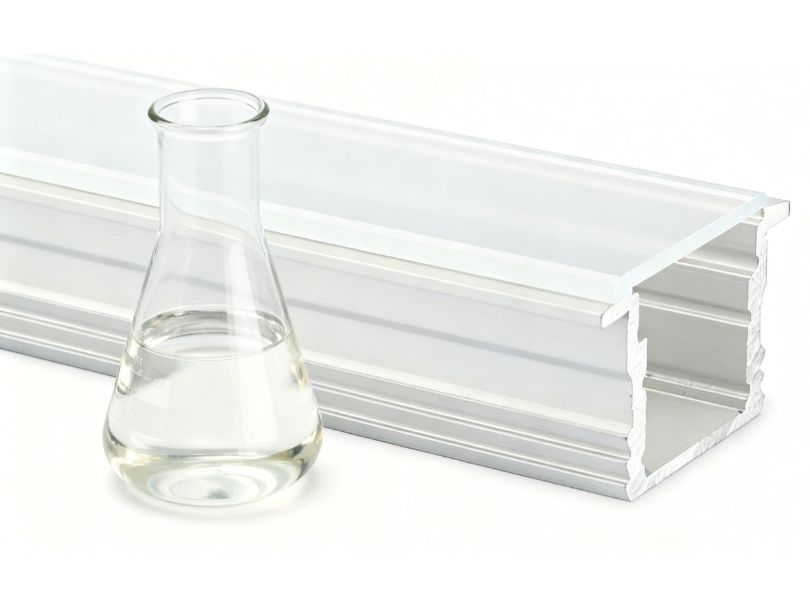
Anodised aluminium extrusion offers excellent chemical resistance to most common industrial substances, with the anodic oxide layer providing a hard, inert barrier that protects the underlying metal from chemical attack. Powder-coated aluminium profiles offer additional chemical resistance tailored to the specific coating formulation. For industrial applications requiring maximum chemical resistance, the specialty aluminium profiles offer surface treatments and coating options specifically designed for harsh chemical environments.
Fire safety and regulatory compliance
Fire safety is a non-negotiable requirement in all building applications, and the fire performance of channel materials is subject to strict regulatory standards across European markets. The European construction products regulation (CPR) classifies building materials according to their reaction to fire, with classes ranging from A1 (non-combustible) to F (no performance determined).
Most thermoplastic materials used in plastic channel production achieve fire classification ratings of D-s2, d0 to E-s2, d0, meaning they are combustible and contribute to fire load. PVC, while containing chlorine that provides some flame-retardant properties, releases toxic hydrogen chloride gas and dense smoke when burning, creating additional hazards in fire situations. Polycarbonate and acrylic are also combustible, with polycarbonate being self-extinguishing but still contributing to fire load and smoke production.
Aluminium is classified as A1 (non-combustible) under EN 13501-1, meaning it does not contribute to fire load, does not produce smoke, and does not release toxic gases when exposed to fire. For installations in commercial buildings, healthcare facilities, schools, transportation infrastructure, and any application where fire safety is a primary concern, aluminium extrusion is the only material choice that meets the highest fire safety standards without compromise.
Electrical installation designers like Elena, whose objectives include selecting channels that facilitate electrical installations and improve cable management, must consider fire safety as a paramount factor in material selection. The aluminium profiles in the LightingLine catalogue are manufactured to meet the highest fire safety standards, providing peace of mind for specifiers who must ensure compliance with building regulations and insurance requirements.
Installation efficiency: reducing time, cost and complexity
Installation efficiency is a critical factor in project profitability and client satisfaction, and the choice of channel profile material has a direct impact on the time, cost, and complexity of LED lighting installations. This section examines the installation characteristics of plastic channel and aluminium extrusion profiles, comparing cutting, mounting, connecting, and finishing processes, and evaluating the total installation cost including labour, accessories, and potential rework.
Cutting, machining, and on-site modification
Both plastic channel and aluminium extrusion profiles require cutting to length, drilling for mounting, and occasional on-site modification to accommodate corners, intersections, and irregular spaces. The ease of these operations affects installation speed, tool requirements, and the quality of the finished installation.
Plastic channel profiles can be cut with a fine-toothed saw, utility knife, or specialised plastic cutter, requiring minimal tool investment and producing clean cuts with little effort. However, plastic channel cuts are more prone to chipping, cracking, and dimensional inaccuracy, particularly with harder materials like polycarbonate and acrylic. Drilling plastic channels requires care to prevent cracking and deformation, and the resulting holes may not maintain consistent dimensions due to the material’s tendency to deform under pressure.
Aluminium extrusion profiles require a metal-cutting saw (mitre saw with non-ferrous blade, hacksaw, or portable band saw) for cutting, which represents a higher tool investment but produces precise, clean cuts with excellent dimensional accuracy. Drilling aluminium extrusion is straightforward with standard metal drill bits, and the resulting holes maintain consistent dimensions for reliable mounting. The precision of aluminium extrusion cutting and machining translates into tighter-fitting connections, cleaner corners, and a more professional finished appearance that reflects positively on the installer.
Mounting systems and hardware compatibility
The mounting system is the interface between the channel profile and the installation surface, and its design and reliability directly affect installation speed, structural security, and long-term performance.
Plastic channel profiles typically use adhesive mounting (double-sided foam tape or construction adhesive), snap-in clips, or simple screw-through mounting. Adhesive mounting is quick and requires no drilling, but the bond strength is limited by the surface preparation, ambient temperature during installation, and the long-term durability of the adhesive under temperature cycling and humidity exposure. Screw-through mounting provides more secure attachment but risks cracking the plastic channel material if over-tightened or if the mounting holes are not precisely aligned.
Aluminium extrusion profiles from LightingLine feature integrated mounting channels, T-slots, and pre-drilled mounting patterns that enable rapid, secure, and adjustable installation using standard mounting clips, brackets, and fasteners. The mounting accessories available in the LightingLine catalogue include surface-mount clips, recessed-mount brackets, suspension cables, corner connectors, and end caps, all designed for tool-free or minimal-tool installation. These mounting systems are engineered to work specifically with the aluminium profiles, ensuring precise alignment, secure attachment, and professional results every time.
Connection systems and continuity
In installations requiring multiple channel lengths, the connection system determines whether the installation will present a seamless, continuous appearance or visible joints that detract from the aesthetic quality.
Plastic channel connections typically use simple butt joints with adhesive bonding, overlap sleeves, or proprietary connector pieces. These connections are prone to visible gaps, misalignment, and differential movement due to the thermal expansion of the plastic material. Over time, plastic channel connections can open up, creating visible seams that compromise the aesthetic quality of the installation.
Aluminium extrusion connection systems from LightingLine include precision-machined internal connectors, external splice plates, and corner joiners that create seamless, structurally rigid connections between channel sections. The aluminium profile connectors are designed to maintain precise alignment and structural continuity across connection points, ensuring that multi-section installations present a uniform, professional appearance. These connection systems also facilitate the integration of electrical continuity, allowing power and data to pass through connected sections without external wiring.
Channel types and configurations: matching profile to application
Understanding the different types of channel profiles available in both plastic and aluminium is essential for selecting the appropriate solution for each specific application. This section provides a comprehensive overview of channel configurations, their characteristics, and the equivalent aluminium extrusion options available through LightingLine.
U plastic channel vs aluminium U channel
A U channel is the most common profile configuration for LED strip installations, featuring a flat base and two parallel side walls that form a U-shaped cross-section. U channels are designed for surface mounting, recessed installation, or corner mounting, depending on the specific profile geometry.
Plastic U channel profiles are available in PVC, polycarbonate, and acrylic formulations, typically in widths from 8mm to 25mm and depths from 5mm to 15mm. A plastic U channel is lightweight and easy to handle, but the material’s low thermal conductivity means that heat generated by the LED strip accumulates within the channel, accelerating LED degradation. Black plastic U channel variants offer improved light absorption and reduced glare but are equally limited in thermal performance. White plastic U channel options provide better light reflection but are prone to yellowing from UV exposure and LED heat.
Aluminium U channel profiles from LightingLine are available in a comprehensive range of sizes, from compact 6mm-wide profiles for narrow installations to 60mm-wide profiles for high-power LED strips requiring maximum heat dissipation. The U channel aluminium profiles feature optimised internal geometries that maximise the surface area in contact with the LED strip, enhancing heat transfer from the strip to the channel body. Surface finishes include mill finish (natural aluminium), anodised silver, anodised black, and powder-coated colours, providing aesthetic flexibility without compromising thermal performance.
C plastic channel vs aluminium C channel
A C channel features inward-facing lips at the top of the side walls, forming a C-shaped cross-section that provides additional grip for diffuser covers and enhanced protection for the LED strip. The C channel configuration is particularly useful in applications where the diffuser cover must be secured without adhesive, or where additional protection from dust and debris is required.
Plastic C channel profiles are available in PVC, polycarbonate, and acrylic, with the inward-facing lips typically designed to snap-fit diffuser covers into place. A plastic C channel provides convenient diffuser retention, but the snap-fit mechanism can weaken over time as the plastic material fatigues from repeated insertion and removal, and the thermal limitations remain unchanged.
Aluminium C channel profiles from LightingLine feature precision-formed lips that provide secure, long-lasting diffuser retention without the fatigue concerns associated with plastic. The C channel aluminium profiles are compatible with a range of diffuser options, including clear, frosted, opal, and black diffusers, allowing designers to achieve the desired optical effect while maintaining superior thermal performance.
H channel, J channel, and L channel profiles
Beyond U and C channels, specialised profile configurations serve specific installation requirements:
H channel profiles feature a central dividing wall, creating two separate channels within a single profile. Plastic H channel variants are used for dual-strip installations or for separating power and data cables. H channel plastic profiles from PVC or polycarbonate offer the same thermal limitations as other plastic channel types. Aluminium H channel profiles from LightingLine provide the thermal benefits of aluminium in a dual-channel configuration, enabling efficient installation of two LED strips with independent heat dissipation for each.
J channel profiles feature an asymmetric cross-section with one side wall shorter than the other, designed for edge mounting or transition applications. Plastic J channel variants, including plastic J trim, are commonly used for edge finishing, trim applications, and transition between different surface materials. J channel plastic profiles are easy to install but lack the structural rigidity and thermal performance of aluminium equivalents.
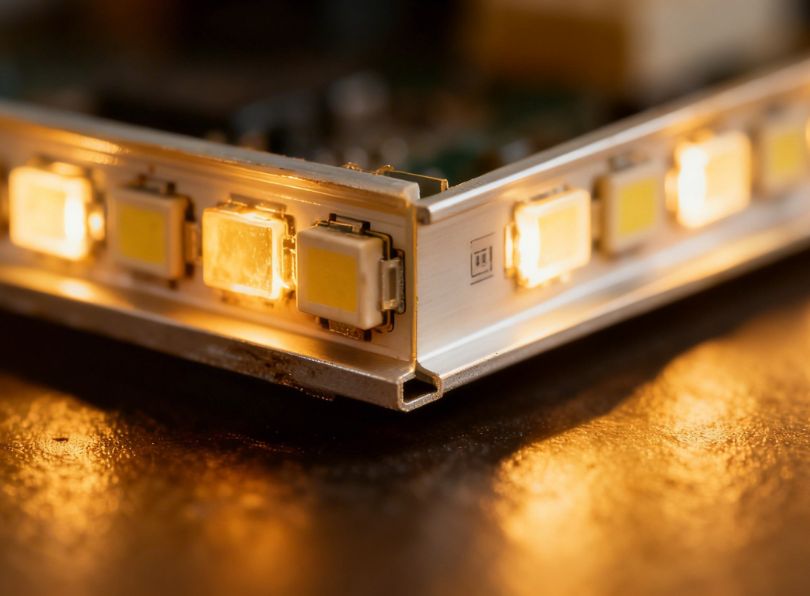
L channel profiles feature a 90-degree angle cross-section, designed for corner mounting or edge protection. Plastic L channel profiles are used for corner protection, trim finishing, and mounting in tight spaces. L channel plastic options are limited in structural capacity and thermal performance. Aluminium L channel profiles from LightingLine provide rigid corner mounting with superior heat dissipation, enabling clean, professional corner installations that maintain LED performance and longevity.
Flexible and tubular channel options
Flexible plastic channels and tubular profiles serve applications requiring curved installations or complete encapsulation of LED strips.
Flexible plastic tube and tubular plastic profiles are typically made from silicone, PVC, or polycarbonate, offering the ability to bend around curves and follow irregular surfaces. A flexible plastic tube for LED strips provides basic protection and diffusion but offers virtually no heat dissipation, making it suitable only for low-power LED strips in non-demanding applications. The material of plastic tubing varies by application, with silicone offering the best flexibility and temperature resistance, and PVC providing a lower-cost alternative with more limited performance.
Flexible aluminium channel solutions from LightingLine use segmented or scored profiles that can be bent to specific radii while maintaining the thermal and structural benefits of aluminium. These flexible aluminium profiles enable curved installations that would be impossible with rigid plastic channels, providing design flexibility without sacrificing performance.
Plastic channel trim, edging, and molding applications
Plastic channel trim, edging, and molding products are designed for finishing applications where aesthetic transitions between surfaces are required.
Plastic U channel trim and plastic U channel molding products are used for edge finishing, trim transitions, and decorative edging in architectural applications. Plastic U channel edging provides a clean, finished appearance for exposed edges of panels, countertops, and other surfaces. Plastic channel strips are narrow-profile channels used for accent lighting, under-cabinet lighting, and other applications requiring minimal visual impact.
While plastic trim and edging products are adequate for decorative finishing applications where thermal performance is not a concern, they should not be confused with structural LED channel profiles that must manage heat and provide mechanical support for LED strips. For applications requiring both aesthetic finishing and LED thermal management, aluminium trim profiles provide the best of both worlds: professional aesthetic finishing with the thermal performance required for reliable LED operation.
Plastic channel drain and cable management: specialised applications
While this article focuses primarily on LED lighting channel profiles, it is important to address the related applications of plastic channel drain systems and plastic cable channels, as these products share the same material limitations and are often specified by the same professionals.
Plastic channel drain: installation, strength, and applications
A plastic channel drain is a linear drainage system used for surface water management in outdoor applications, including patios, driveways, pool surrounds, and commercial landscaping. The question of how to install a plastic channel drain involves excavating a trench, laying a compacted base, placing the channel sections, connecting to the drainage system, and installing the grating cover.
The strength of a plastic channel drain depends on the material formulation, wall thickness, and rib reinforcement design. PVC and polypropylene channel drains are rated for different load classes, from pedestrian (Class A) to vehicular (Class D) applications. However, even the highest-rated plastic channel drains have lower load-bearing capacity and shorter service life than comparable stainless steel or polymer concrete alternatives.
For lighting professionals, the relevance of plastic channel drain systems lies in the shared material characteristics: the same thermal, UV, and mechanical limitations that affect plastic LED channel profiles also affect plastic drainage channels. When specifying any polymeric channel product, professionals should evaluate the material’s suitability for the specific environmental conditions and performance requirements of the application.
Plastic cable channel: electrical installation and safety
A plastic cable channel (also known as cable trunking, cable duct, or wire management channel) is used to route and protect electrical cables in commercial, industrial, and residential installations. PVC is the most common material for plastic cable channels, offering good electrical insulation properties, moderate mechanical protection, and low cost.
For electrical installation designers like Elena, the selection of cable management channels must consider electrical safety standards, fire performance, chemical resistance, and ease of installation. While PVC cable channels are suitable for many indoor applications, aluminium cable trunking systems offer superior fire safety (A1 classification), better mechanical protection, and longer service life in demanding environments. The aluminium profiles can be adapted for cable management applications, providing a unified solution for both LED lighting and cable routing in commercial and industrial installations.
Plastic drainage channel covers: performance and limitations
Plastic drainage channel covers are the grating or slotted covers that sit atop linear drainage channels, allowing water to enter while preventing larger debris from entering the drainage system. These covers are typically made from PVC, polypropylene, or composite materials, and are designed for specific load classes and aesthetic requirements.
The performance of plastic drainage channel covers is limited by the material’s susceptibility to UV degradation, thermal expansion, and mechanical wear. Over time, plastic covers can become brittle, discoloured, and cracked, requiring replacement. For applications requiring long-term durability and minimal maintenance, stainless steel or cast iron covers are preferred, but at a significantly higher cost.
The parallel with LED channel profiles is clear: plastic materials offer an attractive initial cost but incur higher lifecycle costs due to degradation, maintenance, and replacement requirements. Professionals who evaluate products based on total cost of ownership rather than initial purchase price will consistently find that the superior durability and performance of aluminium justifies the higher initial investment.
PVC channel: detailed analysis of the most common plastic channel material
PVC channel is the most widely used plastic channel type in the European market, and understanding its specific properties, applications, and limitations is essential for professionals who encounter it in specifications and installations.
What is PVC channel? Definition and material properties
PVC channel refers to any extruded profile manufactured from polyvinyl chloride, a synthetic thermoplastic polymer produced through the polymerisation of vinyl chloride monomers. PVC can be formulated as rigid (uPVC or unplasticised PVC) or flexible (plasticised PVC), depending on the addition of plasticiser compounds. Rigid PVC is the formulation used for channel profiles, offering moderate structural rigidity, moisture resistance, and chemical resistance at a low material cost.
The key properties of rigid PVC channel include:
Density: 1.38-1.45 g/cm³ (approximately 50% heavier than aluminium for the same volume)
Thermal conductivity: 0.16-0.17 W/m·K (approximately 1,200 times lower than aluminium)
Tensile strength: 40-55 MPa (approximately 3-5 times lower than aluminium)
Maximum continuous service temperature: 60°C (significantly lower than aluminium’s 200°C+)
Minimum service temperature: -15°C (below which the material becomes brittle)
Linear thermal expansion coefficient: 70-80 × 10⁻⁶/K (approximately 3 times higher than aluminium)
Fire classification: D-s2, d0 to E-s2, d0 (combustible, produces smoke and toxic gases)
These properties define the performance envelope of PVC channel and clearly indicate its limitations for LED lighting applications. The low thermal conductivity means that PVC cannot effectively dissipate heat from LED strips, the limited temperature range restricts its use in high-temperature environments, the high thermal expansion coefficient causes dimensional instability with temperature cycling, and the combustible fire classification limits its use in safety-critical applications.
PVC U channel: configuration and applications
PVC U channel is the most common PVC channel configuration for LED strip installations, offering a simple U-shaped cross-section that provides basic housing and protection for LED strips. A PVC U channel is available in various widths (8mm-25mm), depths (5mm-15mm), and colours (white, black, clear), providing options for different aesthetic and dimensional requirements.
U channel PVC profiles are easy to cut, install, and modify, making them attractive for DIY installations and budget-conscious projects. However, the thermal performance limitations of PVC mean that PVC U channel is only suitable for low-power LED strips (typically below 5W/m) where heat generation is minimal and the risk of thermal degradation is reduced. For medium-power (5-15W/m) and high-power (15W/m+) LED strips, PVC U channel cannot provide adequate heat dissipation, and aluminium extrusion is required.
PVC U channel trim: finishing and aesthetic applications
PVC U channel trim is a narrower, thinner-walled variant of PVC U channel designed for finishing and aesthetic applications rather than structural LED housing. PVC U channel trim is used for edge finishing, trim transitions, and decorative edging where the primary requirement is aesthetic appearance rather than thermal management or structural support.
While PVC U channel trim is adequate for decorative finishing applications, it should not be used as a substitute for structural LED channel profiles in installations where heat dissipation is required. Confusing trim products with structural profiles is a common specification error that leads to premature LED failure and dissatisfied clients.
UPVC channel: enhanced performance variant
UPVC (unplasticised polyvinyl chloride) channel is a rigid PVC formulation that excludes plasticiser compounds, resulting in improved dimensional stability, UV resistance, and mechanical strength compared to standard PVC. A 10mm UPVC channel is a common size for medium-duty applications, offering a balance of rigidity and weight that is suitable for many indoor installations.
UPVC channel improves upon standard PVC in several respects, but the fundamental thermal conductivity limitation remains unchanged. UPVC still has thermal conductivity of approximately 0.17 W/m·K, which is 1,200 times lower than aluminium. While UPVC channel is a better choice than standard PVC channel for applications requiring improved UV resistance and dimensional stability, it does not address the core thermal management requirements of LED lighting installations.
PVC channel sizes and specifications
PVC channels are available in a wide range of sizes to accommodate different LED strip widths and installation requirements. Common PVC channel sizes include:
| Width (mm) | Depth (mm) | Wall thickness (mm) | Standard length (m) | Typical LED strip width |
|---|---|---|---|---|
| 8 | 6 | 1.0 | 2.0 | 5mm (COB LED) |
| 10 | 7 | 1.2 | 2.0 | 8mm (standard strip) |
| 12 | 8 | 1.5 | 2.0 | 10mm (wide strip) |
| 15 | 10 | 1.5 | 2.0 | 10-12mm (wide strip) |
| 17 | 12 | 1.8 | 2.0 | 12mm (high-power strip) |
| 20 | 12 | 2.0 | 2.0 | 12-15mm (high-power strip) |
| 25 | 15 | 2.0 | 2.0 | 15-20mm (multi-row strip) |
The standard length of 1m PVC U profile is 1 metre (1,000mm), though 2-metre lengths are also commonly available. The length of 1m PVC U profile is sufficient for most residential installations, but commercial installations typically require longer lengths to minimise the number of joints and connections.
The price of 1.5 inch (38mm) PVC channel varies by supplier and quantity, typically ranging from €2.50 to €6.00 per metre depending on wall thickness, material formulation, and surface finish. While this price point appears attractive, the total cost of ownership must account for the reduced LED lifespan, increased energy consumption due to thermal degradation, and potential replacement costs that can easily exceed the initial savings.
Sizes and configurations: choosing the right profile for your LED strip
Selecting the correct channel profile size and configuration is essential for achieving optimal LED performance, aesthetic quality, and installation efficiency. This section provides detailed guidance on matching channel profiles to specific LED strip types and installation requirements.
LED strip width and channel width compatibility
The width of the LED strip determines the minimum internal width of the channel profile. LED strips are available in standard widths of 5mm (COB strips), 8mm (single-row SMD strips), 10mm (wide single-row strips), 12mm (dual-row strips), and 15-20mm (multi-row and high-power strips). The channel profile should have an internal width that is 1-2mm wider than the LED strip to allow for easy insertion and thermal expansion.
Aluminium profiles from LightingLine are available in internal widths from 6mm to 60mm, covering the full range of LED strip widths and configurations. The complete range of aluminium profiles in the LightingLine catalogue includes profiles specifically designed for COB LED strips, single-row SMD strips, dual-row strips, and high-power multi-row strips, ensuring that every LED strip type has an optimised channel solution.
Channel depth and heat dissipation capacity
The depth of the channel profile directly affects its heat dissipation capacity, as a deeper channel provides greater surface area for heat transfer to the surrounding environment. For low-power LED strips (below 5W/m), a channel depth of 5-7mm is typically sufficient. For medium-power strips (5-15W/m), a depth of 8-12mm is recommended. For high-power strips (15W/m+), a depth of 12-20mm or more is required to maintain optimal operating temperatures.
Aluminium profiles from LightingLine are available in depths from 5mm to 30mm, with specialised heatsink profiles featuring extended fins for maximum heat dissipation. The heatsink aluminium profiles in the LightingLine catalogue are specifically designed for high-power LED installations, providing thermal performance that no plastic channel can approach.
Diffuser types and optical effects
The diffuser cover is the transparent or translucent element that sits atop the channel profile, protecting the LED strip while shaping and softening the emitted light. We have different type of diffuser.
Clear diffuser: provides maximum light output (90-95% transmission) with minimal diffusion, revealing individual LED points. Suitable for applications where maximum brightness is required and individual LED points are acceptable or desired.
Frosted diffuser: provides moderate diffusion (70-80% transmission) with reduced LED point visibility. Suitable for general lighting applications where a balance of brightness and uniformity is desired.
Opal diffuser: provides maximum diffusion (50-60% transmission) with complete elimination of LED point visibility. Suitable for applications where a continuous, uniform light line is required.
Black diffuser: provides a dark, recessed appearance when the LED strip is off, with light transmission when the strip is on. Suitable for applications where the channel should blend into dark surfaces when not in use.
All diffuser types are available in both plastic (PC, PMMA) and glass formulations, with plastic diffusers being the most common due to their low cost, light weight, and ease of installation. The diffuser material choice affects optical performance but does not significantly impact the thermal management capabilities of the channel profile, which is determined by the structural housing material.
Market analysis: trends, statistics, and industry insights
Understanding market trends and industry dynamics provides valuable context for professionals who must make informed decisions about channel profile specifications and supplier selection. This section presents current market data, growth projections, and industry insights relevant to the plastic channel versus aluminium extrusion decision.
Global LED channel profile market: size and growth
The global LED channel profile market was valued at approximately €2.8 billion in 2024 and is projected to grow at a compound annual growth rate (CAGR) of 11.3% through 2030, reaching an estimated €5.3 billion. This growth is driven by the expanding adoption of LED lighting in commercial, industrial, and residential applications, the increasing power density of LED strips requiring better thermal management, and the growing preference for integrated, aesthetically refined lighting solutions.
Within the channel profile market, aluminium extrusion profiles account for approximately 68% of revenue, while plastic channel profiles account for 32%. However, in terms of unit volume, plastic channels represent a larger share (approximately 45%) due to their lower unit cost and prevalence in budget and DIY installations. The revenue share disparity reflects the higher unit value of aluminium profiles and their dominance in professional, commercial, and high-end residential installations.
The aluminium extrusion segment is growing at a faster rate (13.2% CAGR) than the plastic channel segment (7.8% CAGR), reflecting the increasing recognition of aluminium’s performance advantages and the migration of budget-conscious buyers toward aluminium as prices become more competitive.
Regional market dynamics: european LED channel profile market
Europe is the second-largest market for LED channel profiles globally, accounting for approximately 28% of global revenue in 2024. The European market is characterised by stringent regulatory requirements, high awareness of energy efficiency and sustainability, and a strong preference for professional-grade products. Within Europe, aluminium extrusion profiles dominate the market with an 82% revenue share, reflecting the region’s emphasis on quality, durability, and regulatory compliance.
Key European market trends include:
- increasing demand for IP-rated profiles: the growing adoption of LED lighting in outdoor and wet-location applications is driving demand for IP65+ rated aluminium profiles with integrated sealing systems;
- growing preference for anodised finishes: anodised aluminium profiles are gaining market share due to their superior durability, aesthetic quality, and environmental credentials compared to powder-coated alternatives;
- integration of smart lighting features: the rise of smart lighting systems is driving demand for channel profiles with integrated wiring channels, sensor mounting points, and connectivity features.
Sustainability-driven specifications: architects and specifiers are increasingly requiring products with environmental product declarations (EPDs), recycled content, and end-of-life recyclability, all of which favour aluminium over plastic.
Price trends and cost analysis
Aluminium prices have experienced volatility in recent years, influenced by global supply chain dynamics, energy costs, and trade policies. However, the price differential between aluminium extrusion profiles and plastic channel profiles has narrowed significantly, with aluminium profiles now available at price points that make them competitive for a broader range of applications.
Current market pricing for standard LED channel profiles (per linear metre)
| Profile type | Material | Price range (€/m) | Best application |
|---|---|---|---|
| Economy surface mount | PVC | €2.00 – €4.00 | Low-power DIY, temporary installations |
| Standard surface mount | Polycarbonate | €3.50 – €6.00 | Low to medium-power indoor |
| Premium surface mount | Aluminium (mill finish) | €5.00 – €10.00 | Medium to high-power commercial |
| Anodised surface mount | Aluminium (anodised) | €7.00 – €14.00 | High-end commercial, architectural |
| Recessed profile | Aluminium | €8.00 – €18.00 | Architectural, residential, commercial |
| IP-rated outdoor profile | Aluminium | €10.00 – €25.00 | Outdoor, wet location, industrial |
| Heatsink profile | Aluminium | €12.00 – €30.00 | High-power LED, industrial |
The narrowing price gap between plastic channel and aluminium extrusion profiles, combined with the superior performance and lower lifecycle cost of aluminium, makes aluminium the economically rational choice for an expanding range of applications.
Sustainability and environmental impact: life cycle assessment
Sustainability is an increasingly important consideration in material selection, driven by regulatory requirements, client expectations, and the construction industry’s commitment to reducing environmental impact. This section compares the environmental performance of plastic channel and aluminium extrusion profiles across the full life cycle, from raw material extraction through end-of-life disposal or recycling.
Raw material extraction and production
The production of thermoplastic materials for plastic channel profiles begins with the extraction of fossil fuels (petroleum or natural gas), which are refined and chemically processed to produce polymer resins. This process is energy-intensive and generates greenhouse gas emissions at every stage. The embodied carbon of PVC production is approximately 2.0-2.5 kg CO₂e per kg of material, while polycarbonate production generates 6.0-6.5 kg CO₂e per kg.
Aluminium production begins with the mining of bauxite ore, which is refined to alumina and then smelted to produce primary aluminium. Primary aluminium production is energy-intensive, with embodied carbon of approximately 8.0-12.0 kg CO₂e per kg of material, depending on the energy source used in smelting. However, recycled aluminium production requires only 5% of the energy of primary production, generating 0.5-1.0 kg CO₂e per kg of material.
Use phase: energy efficiency and emissions
The use phase of an LED installation is where the thermal performance of the channel profile has the greatest environmental impact. As previously discussed, a plastic channel traps heat against the LED strip, reducing luminous efficacy and increasing energy consumption to maintain the required light output. An aluminium extrusion maintains optimal LED operating temperatures, preserving luminous efficacy and minimising energy consumption.
Over a 10-year installation period, a 500-metre LED installation using plastic channel profiles may consume 5-10% more energy than the same installation using aluminium extrusion profiles, due to thermal degradation of LED efficacy. This additional energy consumption translates directly into increased greenhouse gas emissions, particularly in regions where electricity is generated from fossil fuels.
End of life: recyclability and disposal
At the end of their service life, the recyclability of channel profile materials determines their ultimate environmental impact.
Thermoplastic materials used in plastic channel profiles are theoretically recyclable, but in practice, recycling rates for construction plastics are low (approximately 15-20% in Europe). Contamination with adhesives, sealants, and other materials, combined with the complexity of sorting different polymer types, limits the practical recyclability of plastic channel profiles. Most end-of-life plastic channels are disposed of in landfills or incinerated, generating environmental impact without material recovery.
Aluminium is infinitely recyclable without loss of properties, and aluminium recycling rates in the European construction sector exceed 90%. End-of-life aluminium profiles are collected, melted, and re-extruded into new products, recovering virtually all of the material’s embodied value. The high recyclability of aluminium, combined with the energy savings of recycled aluminium production, makes aluminium extrusion the clear environmental winner in life cycle assessment.
Regulatory compliance and standards: european market requirements
Compliance with European regulations and standards is essential for any product used in construction, electrical, or lighting applications. This section outlines the key regulatory requirements that affect channel profile selection and explains how aluminium extrusion profiles from LightingLine meet or exceed these requirements.
Construction products regulation (CPR) and CE marking
The European Construction Products Regulation (EU) No 305/2011 requires that construction products placed on the European market have a Declaration of Performance (DoP) and CE marking, demonstrating compliance with harmonised European standards. Channel profiles used in permanent building installations fall within the scope of the CPR and must comply with relevant standards.
Aluminium extrusion profiles from LightingLine are CE marked and accompanied by comprehensive Declarations of Performance covering fire classification, mechanical properties, thermal performance, and dimensional accuracy.
Electrical safety standards (EN 60598, EN 61347)
LED lighting installations must comply with electrical safety standards including EN 60598 (luminaires) and EN 61347 (controlgear), which specify requirements for electrical insulation, protection against electric shock, and thermal safety. The channel profile material affects compliance with these standards, particularly in terms of fire safety and temperature limits.
Aluminium extrusion profiles, being non-combustible (A1 fire classification), contribute positively to the overall fire safety of the luminaire assembly and facilitate compliance with electrical safety standards. Plastic channel profiles, being combustible, may require additional fire safety measures to achieve compliance in certain applications.
RoHS and REACH compliance
The Restriction of Hazardous Substances (RoHS) Directive and the Registration, Evaluation, Authorisation and Restriction of Chemicals (REACH) Regulation restrict the use of certain hazardous substances in products placed on the European market.
Aluminium extrusion profiles from LightingLine are fully compliant with RoHS and REACH requirements, containing no restricted substances above the applicable threshold limits.
Application-specific recommendations: matching profile to project type
Different application types have different requirements for channel profiles, and selecting the appropriate profile for each application is essential for achieving optimal performance, aesthetics, and value. This section provides specific recommendations for common application types.
Residential lighting: living rooms, kitchens, bedrooms
Residential LED installations prioritise aesthetics, ease of installation, and cost-effectiveness, while still requiring adequate thermal management for reliable long-term performance.
For under-cabinet kitchen lighting, the compact surface-mount aluminium profiles from LightingLine provide slim, unobtrusive profiles with excellent heat dissipation, ensuring reliable performance in a high-heat environment. Plastic channel alternatives may appear cost-effective initially but will not provide the thermal management needed for the high-power LED strips typically used in kitchen applications.
For living room cove lighting, the recessed aluminium profiles from LightingLine provide clean, architectural installations with seamless integration into ceiling and wall surfaces. The thermal performance of aluminium ensures that the LED strips maintain consistent colour temperature and light output over years of operation, preserving the intended design aesthetic.
For bedroom accent lighting, the low-profile aluminium channels from LightingLine provide subtle, elegant installations that enhance the ambience of the space without visual intrusion.
Commercial lighting: retail, office, hospitality
Commercial LED installations demand the highest levels of performance, reliability, and aesthetic quality, as lighting directly impacts customer experience, employee productivity, and brand perception.
For retail display lighting, the precision aluminium profiles from LightingLine provide accurate, consistent illumination that enhances product presentation and creates an inviting shopping environment. The thermal performance of aluminium ensures that the LED strips maintain their specified colour rendering index (CRI) and colour temperature, preserving the intended visual merchandising effect.
For office general lighting, the linear aluminium profiles from LightingLine provide uniform, glare-free illumination that supports visual comfort and productivity. The durability of aluminium ensures that the lighting system maintains its performance over the long term, minimising maintenance disruptions and replacement costs.
For hospitality ambient lighting, the architectural aluminium profiles from LightingLine provide sophisticated, customisable installations that enhance the guest experience and reinforce the brand identity of the establishment.
Industrial lighting: warehouses, factories, workshops
Industrial LED installations must withstand harsh environmental conditions, including vibration, chemical exposure, temperature extremes, and mechanical impacts.
For industrial facility lighting, the heavy-duty aluminium profiles provide robust, durable installations that withstand the demanding conditions of industrial environments. The structural strength of aluminium ensures that the profiles maintain their integrity under vibration and mechanical loads, while the thermal performance ensures reliable LED operation in high-temperature environments.
For industrial cable management, the multi-channel aluminium profiles provide integrated solutions for LED lighting and cable routing, simplifying installation and maintenance.
Outdoor lighting: facades, landscaping, signage
Outdoor LED installations require profiles that can withstand UV exposure, moisture, temperature extremes, and mechanical loads from wind and debris.
For facade lighting, the IP-rated aluminium profiles provide weatherproof, durable installations that maintain their appearance and performance in outdoor conditions. The UV stability of aluminium ensures that the profiles do not degrade, discolour, or lose mechanical properties over years of sun exposure.
For landscape lighting, the waterproof aluminium profiles provide reliable installations that withstand soil moisture, irrigation water, and temperature fluctuations.
For signage illumination, the edge-lit aluminium profiles provide uniform, high-impact illumination that enhances brand visibility and recognition.
LED strip selection: matching strip technology to channel profile
The choice of LED strip technology directly affects the thermal management requirements of the installation, and understanding the relationship between strip characteristics and channel profile performance is essential for optimal system design.
COB LED strips vs SMD LED strips
COB (Chip-on-Board) LED strips feature LED chips mounted directly onto a continuous substrate, producing a uniform, dot-free light line that is ideal for applications requiring seamless illumination. COB strips typically operate at 8-15W/m and generate moderate heat loads that require effective thermal management. The compact aluminium profiles are specifically designed for COB LED strips, providing the heat dissipation needed for reliable operation while maintaining a slim, unobtrusive profile.
SMD (Surface Mount Device) LED strips feature individual LED chips mounted on a flexible PCB at regular intervals, producing a point-source light pattern that can be diffused using appropriate channel covers. SMD strips are available in a wide range of power densities, from 4.8W/m (low-power) to 28.8W/m+ (high-power). The thermal management requirements of SMD strips scale directly with power density, with high-power SMD strips requiring the maximum heat dissipation capabilities of aluminium extrusion profiles.
High-power LED strips: thermal management imperatives
High-power LED strips (15W/m and above) generate significant heat loads that must be effectively managed to prevent premature degradation and failure. For high-power strips, aluminium extrusion is not merely preferred—it is essential. No plastic channel material can provide the thermal conductivity required to maintain high-power LED strips within their optimal operating temperature range.
For high-power LED installations, the heatsink aluminium profiles provide maximum heat dissipation through extended fin designs and optimised internal geometries, ensuring that even the highest-power LED strips operate within their specified temperature limits.
Installation best practices: ensuring professional results
Professional installation practices are essential for achieving the full performance potential of any channel profile system, regardless of material. This section provides detailed installation guidance for aluminium extrusion profiles, covering surface preparation, cutting, mounting, LED strip installation, diffuser fitting, and electrical connections.
Surface preparation and layout planning
Proper surface preparation is the foundation of a successful LED channel installation. The mounting surface must be clean, dry, flat, and free of dust, grease, and loose material. Any surface irregularities should be addressed before channel installation, as uneven surfaces can cause profile distortion, connection gaps, and aesthetic defects.
Layout planning should account for channel lengths, connection points, power injection locations, and diffuser transitions before cutting begins. Accurate measurements and a detailed installation plan minimise material waste, reduce installation time, and ensure a professional finished result. The modular design of aluminium profiles from LightingLine facilitates precise layout planning with standard lengths and connection accessories that enable seamless multi-section installations.
Cutting and fabrication
Aluminium extrusion profiles should be cut using a mitre saw with a non-ferrous metal blade to produce clean, accurate cuts. The blade should be lubricated with cutting fluid to reduce heat generation and prevent material deformation. Cuts should be made at 90 degrees for straight connections and at 45 degrees for corner joints, with the cut edges deburred and cleaned before assembly.
For complex installations requiring custom profiles, the custom extrusion services available can produce profiles to specific dimensions and geometries, eliminating the need for on-site modification and ensuring precise fit and finish.
Mounting and fixing
Aluminium profiles should be mounted using the recommended clips, brackets, or fasteners specified by the manufacturer. Mounting points should be spaced according to the profile’s span rating, typically 500-800mm for surface-mount profiles and 300-500mm for recessed profiles. Over-spacing mounting points can cause profile sagging and connection gaps, while under-spacing increases installation time and material cost unnecessarily.
For surface-mount installations, the surface-mount clips provide secure, adjustable mounting with a clean, professional appearance. For recessed installations, the recessed-mount brackets enable precise alignment and secure attachment within the mounting surface.
LED strip installation and power injection
LED strips should be installed in the channel profile before the diffuser cover is fitted, allowing for easy access to the strip for inspection and adjustment. The strip should be pressed firmly into the channel’s adhesive backing or mounting clips, ensuring full contact with the channel base for optimal heat transfer. Any gaps between the LED strip and the channel base reduce heat transfer efficiency and should be avoided.
For installations exceeding 5 metres in length, power injection at multiple points is required to prevent voltage drop and ensure uniform brightness along the entire strip.
Diffuser installation and finishing
Diffuser covers should be installed after the LED strip is securely in place and the electrical connections have been tested. The diffuser should be pressed or snapped into place according to the manufacturer’s instructions, ensuring a secure fit without excessive force that could damage the diffuser or profile. End caps should be fitted to both ends of each channel section, providing a clean, finished appearance and protecting the LED strip from dust and debris.
The end caps and finishing accessories are designed to match the profile geometry precisely, providing seamless integration and professional results.
Troubleshooting and maintenance: maximising system longevity
Even the best-designed and installed LED channel systems require occasional maintenance and may encounter issues over their operational life. This section provides guidance on common issues, troubleshooting procedures, and maintenance practices that maximise system longevity and performance.
Common issues and solutions
Uneven brightness along the strip: typically caused by voltage drop in long installations. Solution: Install power injection at multiple points along the strip, ensuring that no segment exceeds 5 metres from a power source.
Flickering or intermittent operation: may indicate loose electrical connections, incompatible dimmer, or power supply issues. Solution: Check all connections, verify dimmer compatibility, and test with a known-good power supply.
Discolouration or yellowing of diffuser: can be caused by UV exposure, LED heat, or chemical contamination. Solution: Replace with UV-stabilised diffuser, ensure adequate heat dissipation with aluminium profiles, and clean with appropriate non-abrasive cleaners.
Profile sagging or misalignment: indicates inadequate mounting or structural overload. Solution: Add additional mounting points, verify that the profile is appropriately sized for the LED strip power, and check that mounting surfaces are structurally sound.
Preventive maintenance
Regular inspection and cleaning of LED channel systems prevents many common issues and extends system life. Recommended maintenance practices include:
Visual inspection every 6 months: check for loose connections, damaged diffusers, and profile integrity.
Cleaning every 12 months: remove diffusers and clean both the diffuser and the interior of the channel with a soft, lint-free cloth and mild detergent. Avoid abrasive cleaners or solvents that can damage the diffuser surface or profile finish.
Electrical testing every 24 months: verify power supply output, check for voltage drop, and test dimmer functionality.
Diffuser replacement as needed: diffusers that have become heavily scratched, yellowed, or cracked should be replaced to maintain optical performance and aesthetic quality.
Future trends: the evolution of LED channel technology
The LED channel profile market continues to evolve, driven by advances in LED technology, changing application requirements, and sustainability imperatives. This section explores emerging trends that will shape the future of LED channel profiles and inform long-term specification decisions.
Integrated smart lighting systems
The integration of smart lighting controls into LED channel profiles is an emerging trend that combines thermal management, structural housing, and control functionality in a single product. Future channel profiles will incorporate integrated wiring channels for control signals, mounting points for sensors and control modules, and connectivity interfaces for smart lighting protocols such as DALI, DMX, and Zigbee. Aluminium extrusion profiles, with their inherent electrical conductivity and structural versatility, are ideally suited for these integrated smart lighting applications.
Sustainable materials and circular economy
The transition to a circular economy in the construction industry is driving demand for channel profiles that are manufactured from recycled materials, designed for disassembly and recycling, and supported by comprehensive end-of-life management programs. Aluminium, with its high recyclability and established recycling infrastructure, is well-positioned to meet these requirements. LightingLine’s commitment to sustainable manufacturing practices, including the use of recycled aluminium content and comprehensive product recycling programs, aligns with the growing demand for sustainable lighting solutions.
Advanced thermal management technologies
As LED power densities continue to increase, the demand for advanced thermal management solutions will drive innovation in channel profile design. Future developments may include profiles with integrated heat pipes, phase-change materials, or micro-channel cooling systems that further enhance heat dissipation capabilities. These advanced thermal management technologies will build upon the fundamental advantages of aluminium extrusion, further widening the performance gap between aluminium and plastic channel alternatives.
Frequently asked questions
| Question | |
|---|---|
How to install a plastic channel drain?Installing a plastic channel drain involves excavating a trench to the required depth, laying a compacted gravel or concrete base, placing the channel sections in sequence, connecting them using manufacturer-supplied connectors, ensuring proper gradient for water flow, connecting the outlet to the drainage system, and installing the grating cover. While plastic channel drains are cost-effective for light-duty applications, they have lower load-bearing capacity and shorter service life than alternatives. For permanent, heavy-duty installations, polymer concrete or stainless steel channel drains are recommended. | |
How strong is a PVC channel?A rigid PVC channel has a tensile strength of approximately 40-55 MPa and a flexural modulus of 2.4-4.1 GPa, which is significantly lower than aluminium extrusion (145-240 MPa tensile strength, 68.9 GPa flexural modulus). PVC channel is adequate for light-duty indoor applications but is prone to deformation under sustained loads and at elevated temperatures. For applications requiring structural rigidity and long-term dimensional stability, aluminium extrusion is the superior choice. | |
Is PVC channel waterproof?PVC channel is moisture-resistant and will not absorb water, but it is not fully waterproof for prolonged outdoor exposure or submersion. Standard PVC channels can degrade from UV exposure, temperature cycling, and prolonged moisture, leading to cracking, yellowing, and loss of mechanical properties. For outdoor LED installations, IP-rated aluminium extrusion profiles with integrated sealing systems provide superior waterproofing and long-term weather resistance. | |
What is PVC channels?PVC channels are extruded profiles manufactured from polyvinyl chloride, a synthetic thermoplastic polymer. PVC channels are used for LED strip housing, cable management, drainage, and trim applications, offering low cost and ease of installation but limited thermal conductivity, UV resistance, and structural strength compared to aluminium extrusion. | |
What is the use of PVC channel?PVC channels are used for housing LED strips in low-power applications, cable management in residential and light commercial installations, edge trimming and finishing, and drainage in outdoor landscaping. For LED lighting applications above 5W/m, aluminium extrusion is recommended due to its superior thermal management capabilities. | |
What is a 10mm UPVC channel?A 10mm UPVC channel is an unplasticised PVC channel profile with an internal width of 10mm, designed for housing standard 8mm LED strips. UPVC offers improved UV resistance and dimensional stability compared to standard PVC, but the thermal conductivity limitation (0.17 W/m·K) remains, making it unsuitable for medium and high-power LED installations. | |
What is the length of 1m PVC U profile?The length of a 1m PVC U profile is 1 metre (1,000mm). Standard PVC U profiles are also available in 2-metre lengths, while aluminium extrusion profiles from LightingLine are available in 1m, 2m, and 3m standard lengths, with custom lengths available for specific project requirements. | |
What is the purpose of a PVC channel?The purpose of a PVC channel is to provide a housing, protection, and mounting solution for LED strips, cables, or drainage applications. While PVC channels serve this basic function, they do not provide the thermal management, structural strength, or long-term durability required for professional LED lighting installations, making aluminium extrusion the preferred choice for demanding applications. | |
What is plastic J trim used for?Plastic J trim is used for edge finishing, trim transitions, and decorative edging in architectural and interior design applications. J trim provides a clean, finished appearance for exposed edges of panels, tiles, and other surfaces, but should not be confused with structural LED channel profiles that require thermal management capabilities. | |
What are U channels used for?U channels are used for housing and protecting LED strips, cable management, edge protection, and structural framing applications. In LED lighting, U channels are the most common profile configuration, providing surface-mount, recessed, or corner-mount solutions for LED strip installations. | |
Are C channel and U channel the same?No. A U channel has parallel side walls forming a U-shaped cross-section, while a C channel has inward-facing lips at the top of the side walls, forming a C-shaped cross-section. The C channel configuration provides additional grip for diffuser covers and enhanced protection for the LED strip, while the U channel offers a simpler, more open design. Both configurations are available in plastic and aluminium, with aluminium providing superior performance in both cases. | |
What are the different types of plastic channels?The different types of plastic channels include U channels, C channels, H channels, J channels, L channels, flexible channels, and tubular channels, manufactured from materials including PVC, polycarbonate, acrylic, and ABS. Each type serves specific applications, but all share the fundamental thermal conductivity limitation that makes them unsuitable for medium and high-power LED installations. |
Plastic channel? No thanks, aluminium extrusion is the professional choice for LED lighting!
After an examination of material properties, thermal performance, structural integrity, environmental resistance, installation efficiency, regulatory compliance, market dynamics, sustainability, and application-specific requirements, the conclusion is unequivocal: aluminium extrusion is the professional choice for LED channel profiles, and plastic channel alternatives are suitable only for low-power, non-critical applications where thermal management is not a primary concern.
The thermal conductivity advantage of aluminium, approximately 1,000 times greater than any thermoplastic material, is the single most important factor in this conclusion, as thermal management directly determines LED lifespan, light output consistency, colour stability, and energy efficiency. No design modification, wall thickness adjustment, or ventilation enhancement in a plastic channel can overcome this fundamental material limitation. The structural, environmental, fire safety, and sustainability advantages of aluminium further reinforce this conclusion, making aluminium extrusion the only material choice that meets the full spectrum of requirements for professional LED lighting installations.
For professionals who understand that the true value of a lighting installation is measured by its performance over its entire lifecycle, not by its initial purchase price, aluminium extrusion profiles represent the optimal combination of performance, quality, and value. The comprehensive range of aluminium profiles, mounting accessories, diffusers, and finishing products available provides everything needed to deliver professional-grade LED installations that meet the highest standards of performance, aesthetics, and durability.
This article was developed with the support of artificial intelligence and subsequently reviewed, corrected, and validated by the LightingLine.eu technical team, which guarantees its reliability and compliance with official sources.